

Moving to Australia to study is an exciting adventure, but finding somewhere to live can feel a little overwhelming. Between rental inspections, tenancy agreements, bond payments and figuring out what makes a good housemate, there’s a lot to think about!
Whether you’re searching for your first share house, moving into student accommodation or getting ready to sign a rental agreement, knowing what to expect can make the process much easier.
We asked Griffith international students Nikol Slynkova and Shanna Morris to share their experiences and advice to help you navigate renting in Australia with confidence. Here are their top tips!
1. Before you rent: Know what you’re looking for
Finding a place to live isn’t just about location and price. It’s also about making sure your new home suits your lifestyle, budget and everyday needs.
International student Shanna Morris recommends creating a list of the things that matter most to you.
“Before inspecting, prepare a checklist so you can specifically look for what you’re expecting in a place,” Shanna advises.
Think about the little things that could make a big difference to your daily life. Is there air conditioning for those hot Queensland summers? Enough space for your belongings? A suitable place to study?
Shanna also recommends bringing someone along to inspections.
“Inspect places with a friend or family for safety and a second opinion.”
Having someone else there can help you spot things you might miss, ask additional questions and feel more comfortable inspecting an unfamiliar property.

Griffith international student Shanna.
Your rental inspection checklist
Before committing to a property, consider:
- Location: How far is it from campus? Is there convenient public transport nearby?
- Budget: Can you comfortably afford the weekly rent, bills and other living expenses?
- Comfort: Does the property have air conditioning, fans or adequate ventilation?
- Storage: Is there enough space for your clothes, study materials and personal belongings?
- Facilities: Are the kitchen, laundry and bathroom facilities suitable for your needs?
- Condition: Can you see any existing damage or maintenance issues?
- Housemates: Who will you be living with, and what are the shared household expectations?
Taking the time to check these details could save you a lot of trouble later.
2. Ask what’s included (and what’s not!)
Found a place you love? Before saying yes, make sure you understand exactly what you’re paying for.
Not every rental property includes the same facilities, furniture or utilities. Some properties include electricity, water and internet in the weekly rent, while others require you to pay for these separately.
Shanna learned that even when bills are included, it doesn’t necessarily mean every appliance is available to use.
“My rent includes bills but not unlimited use of the dryer or the dishwasher, so always ask what is included,” she explains.
If you’re moving into shared accommodation, it’s equally important to understand who you’ll be living with and whether there are any household rules.
For example, Shanna’s accommodation has restrictions around certain foods to respect a housemate’s religious practices.
Her advice? Discuss any household expectations with potential housemates before deciding whether a property is right for you.
Student tip: Don’t be afraid to ask questions! Clarifying what’s included in your rent, how bills are divided and what shared living arrangements look like can help avoid misunderstandings once you’ve moved in.
3. Understand your rental agreement before signing
In Australia, renting generally involves a tenancy agreement (sometimes called a lease), which outlines important details about your accommodation.
This might include how much rent you’ll pay, when payments are due, the length of your tenancy and any conditions you need to follow.
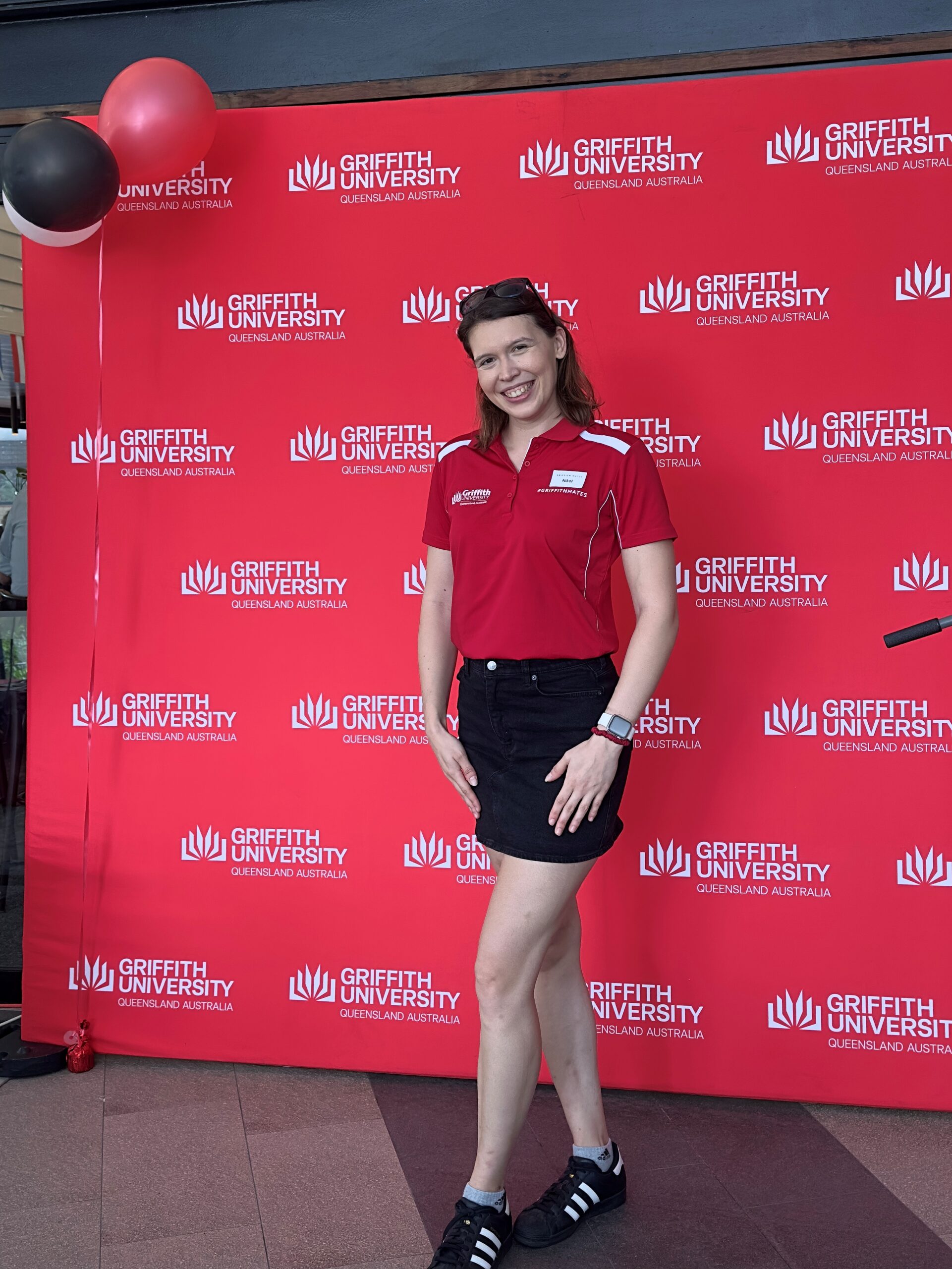
Griffith student Nikol from Czech Republic
Griffith international student Nikol Slynkova recommends getting everything in writing, particularly if you’re renting directly from a property owner rather than through a real estate agency.
“If you are not renting through a real estate [agency], make sure you have a proper contract that specifies how much bond you paid and what the weekly rent is,” Nikol advises.
A written agreement helps clarify everyone’s responsibilities and provides an important record if questions or disagreements arise later.
Before signing anything, take time to read the agreement carefully and make sure you understand the conditions.
Rental terms worth knowing
If you’re new to renting in Australia, you might come across some unfamiliar terms:
- Bond: A security deposit paid at the beginning of a tenancy. In Queensland, rental bonds generally need to be lodged with the Residential Tenancies Authority (RTA).
- Weekly rent: Rental prices in Australia are commonly advertised as a weekly amount, even if rent is paid fortnightly or monthly.
- Tenancy agreement: A written agreement outlining the terms and conditions of your rental arrangement.
- Property manager: A person or real estate agency managing a rental property on behalf of its owner.
- Entry condition report: A document recording the property’s condition when you move in.
- Notice period: The amount of notice required for certain changes to, or the ending of, a tenancy.
Remember: Renting a room in a share house can involve different arrangements and responsibilities depending on your agreement. If you’re unsure about your rights, seek advice before signing.
4. Moving in? Take photos of everything!
You’ve found your new home, signed your agreement and collected your keys. Congratulations!
Before unpacking your belongings and getting settled, there’s one important thing Shanna recommends doing.
“Take lots of photos of the place when you are moving in!”
Photographing the property when you first arrive can help document its condition and protect you from being held responsible for damage that was already there.
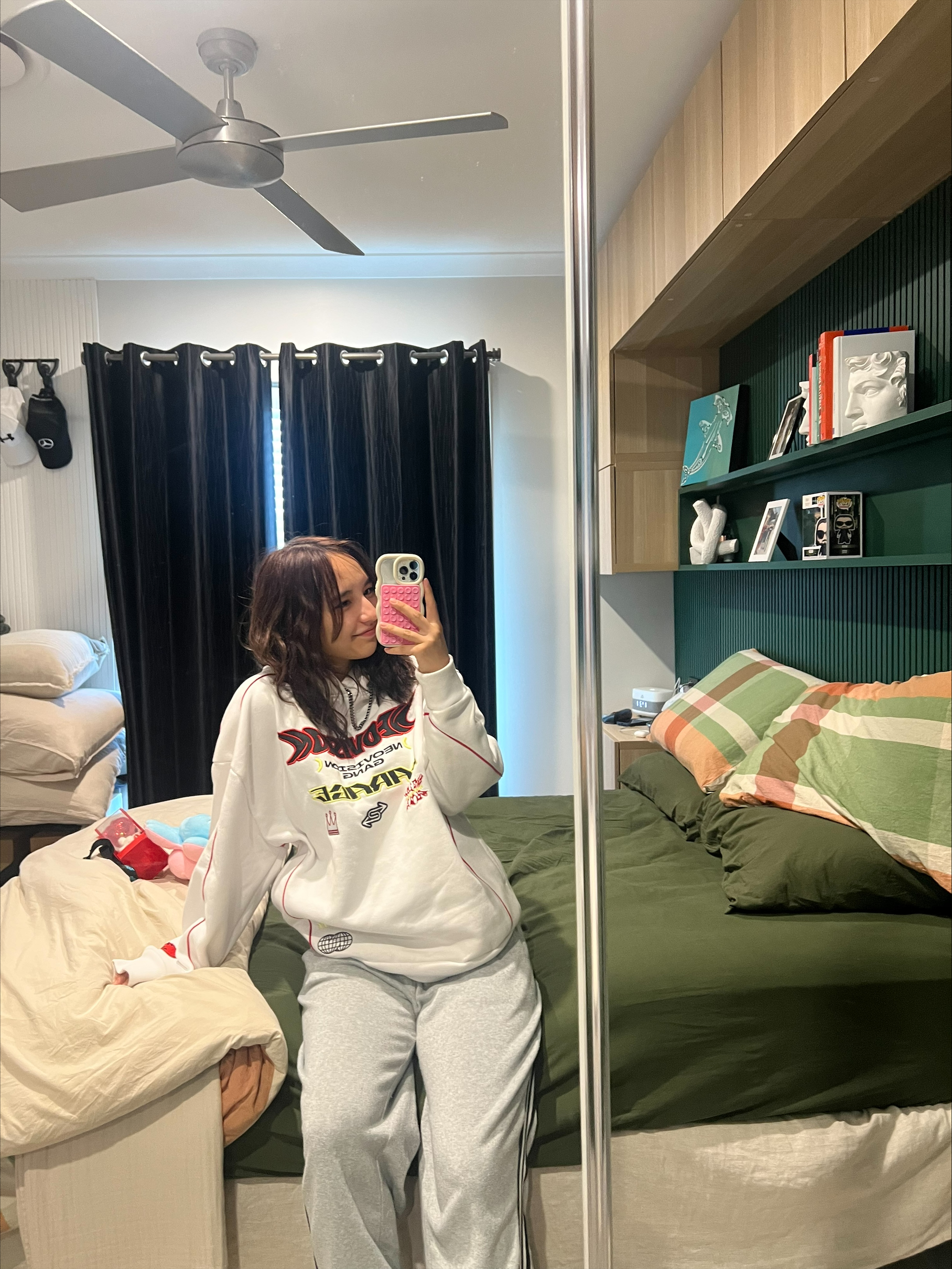
Shanna in her Australian accommodation.
Pay particular attention to things like marks on walls, damaged furniture, broken appliances or existing wear and tear (these are known as defects).
In Queensland, tenants covered by the relevant tenancy rules will generally receive an entry condition report to complete and return within the required timeframe.
Take your time completing it, note any existing damage and keep a copy alongside your photos.
These records may be particularly useful when it’s time to move out and apply for your bond refund.
5. Keep records while you’re renting
Once you’re settled, staying organised can make your rental experience much smoother.
Nikol recommends keeping track of rent payments and documenting any communication with your landlord or property manager.
“Keep track of your rent payments,” she advises.
She also recommends formally reporting maintenance issues and keeping records of correspondence.
If something in your property needs repairing, follow the appropriate maintenance reporting process and keep copies of emails, messages and any other relevant documents.
Even if you discuss an issue in person or over the phone, following up in writing can help ensure there’s a clear record of what’s been agreed. It’s a simple habit that can make a big difference if a problem takes longer than expected to resolve.
6. Moving out? Don’t forget your bond!
When it’s time to move out, you’ll need to make sure you’ve met your responsibilities under your rental agreement.
This may include giving the required notice, cleaning the property, returning your keys and completing an exit condition report.
You’ll also want to understand how to claim your rental bond.
Nikol recommends preparing for the bond refund process in advance, including setting up access to the RTA’s online services.
“If you are renting through a real estate agency, apply for a bond refund straight away after returning keys via the RTA website,” she advises.
In Queensland, eligible tenants can request a bond refund through the RTA once their tenancy has ended. The process can vary depending on the type of agreement and whether everyone agrees on how the bond should be refunded.
It’s worth familiarising yourself with the process before moving day, so you know what to expect and can act promptly when your tenancy ends.For more information, visit the Residential Tenancies Authority website.
7. Know where to get help
Renting in a new country can come with unfamiliar rules and unexpected challenges, but you don’t have to figure everything out on your own.
Nikol highlights QSTARS as a useful resource for students who need rental advice.
If you’re renting in Queensland, these organisations can help you better understand your rights and responsibilities:
Residential Tenancies Authority (RTA)
The RTA provides official information about renting in Queensland, including tenancy agreements, rental bonds, property condition reports and ending a tenancy. Visit the RTA website
QSTARS (Queensland Statewide Tenant Advice and Referral Service)
QSTARS provides free, independent advice to Queensland renters about tenancy rights, responsibilities and rental issues. Visit the QSTARS website
Griffith accommodation information
Still looking for somewhere to live? Explore accommodation options and information to help you plan your move to Brisbane or the Gold Coast. Explore accommodation at Griffith
Your home away from home starts here
Finding the right place to live is an important part of settling into university life in Australia.
And while the rental process might seem complicated at first, a little preparation can go a long way.
From asking the right questions at inspections to keeping records and understanding your rental rights, Nikol and Shanna’s experiences are a reminder that sometimes the smallest details make the biggest difference.
So take your time, do your research and don’t be afraid to ask for help along the way.
After all, finding somewhere to live isn’t just about having a roof over your head. It’s about creating a space where you can feel comfortable, build friendships and make the most of your Griffith experience.
Please note: Rental laws and requirements vary across Australian states and territories. This article focuses on Queensland, where Griffith’s Brisbane and Gold Coast campuses are located. Information is general in nature, and students should refer to the RTA or seek independent tenancy advice for guidance about their individual circumstances.


